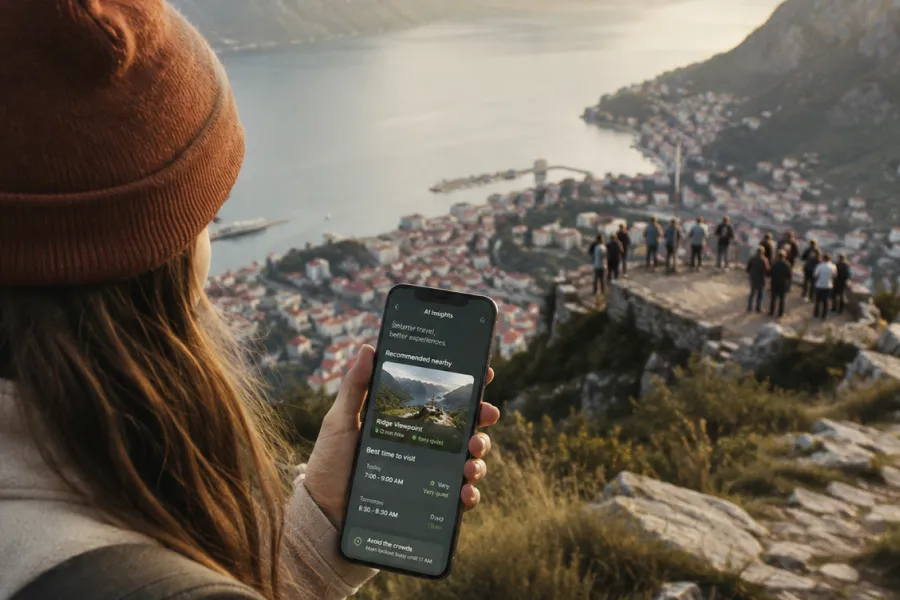
A Food Travel Toolkit helps you travel with more appetite, curiosity, and confidence. It gives structure without removing spontaneity from the trip. You can still wander, follow a smell from a bakery, or change your dinner plan after a good conversation.
The difference is intention. Better questions lead to better meals, and better meals often shape better travel memories. Instead of choosing food from stress, you start choosing with awareness. The product How to Ask Locals for Food Recommendations supports that friendlier approach.
Food affects the mood of a travel day quickly. A disappointing meal can make a beautiful destination feel tiring. A warm, flavorful meal can restore energy and make a neighborhood feel familiar. Useful destination meal planning does not mean scheduling every bite.
It means knowing how to ask, where to look, and what clues to trust. When you approach meals this way, dining becomes part of the adventure rather than a last-minute problem.
Better questions invite better answers. Ask where someone eats on a normal weeknight, which dish they would recommend to a friend, or what nearby place feels underrated. Those prompts sound human because they focus on personal experience.
They also create more useful local dining questions. A local may not know what tourists want, but they often know what they personally trust. That answer is usually more valuable than a generic best-of list.
Tourist traps often share visible patterns. They may sit beside major attractions, display oversized photo menus, promise every cuisine at once, or pressure people passing by. None of those signs automatically guarantee a bad meal, but they should make you pause.
Compare the restaurant with nearby alternatives. Notice whether local customers appear comfortable. Ask a worker in the area where they would eat instead. This habit helps you find neighborhood restaurant tips before committing your time and money.
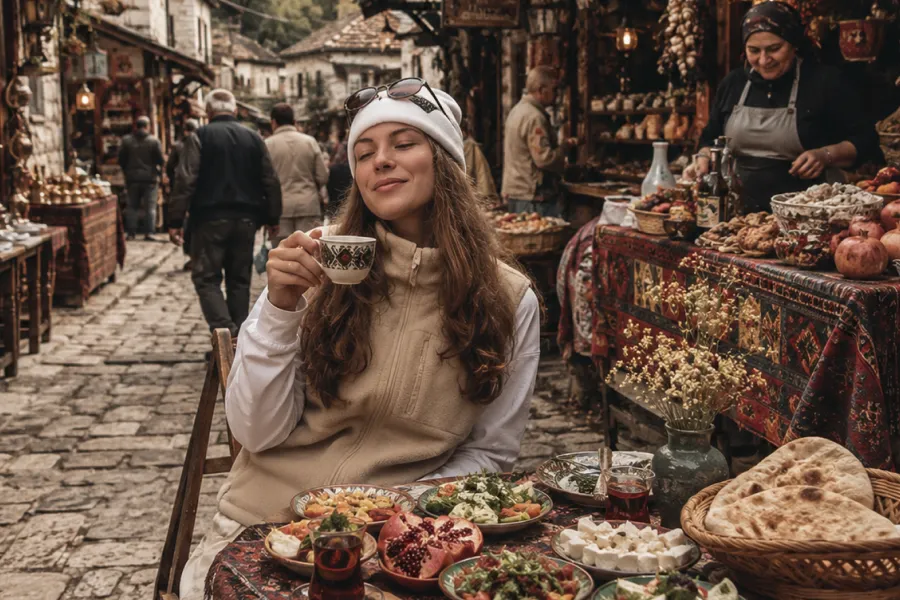
Small habits improve dining decisions throughout the day. Walk a few streets beyond the busiest attraction zone. Look at menus before sitting down. Notice where office workers, families, or regulars seem to gather.
Save promising names in your phone, even if you do not go immediately. Keep cash available for smaller places. Learn one food-related greeting if you are abroad. These actions build street food confidence and make casual choices feel less risky.
Friendly dining starts before you order. Choose places where the atmosphere matches your energy, especially after long travel days. A welcoming restaurant does not need luxury, dramatic décor, or viral fame.
It needs clear service, honest food, and a room where you feel comfortable asking a simple question. Good cultural dining etiquette also helps because respectful travelers often receive better guidance. The product How to Ask Locals for Food Recommendations gives you language for those moments.

Food discovery is not only about finding the most famous dish. It is about noticing how a place lives. A market can reveal daily rhythm. A café can show neighborhood routine. A family restaurant can explain local comfort through flavor.
This kind of local cuisine discovery makes travel feel layered and personal. Each meal becomes a small entry point into the destination. That is why food deserves more attention than a rushed search near your hotel.
A strong dining toolkit also helps when plans change. Bad weather, delayed trains, tired feet, or closed restaurants can disrupt even thoughtful plans. Instead of feeling stuck, you can ask someone nearby for a simple backup.
The question does not need to be complicated. Ask where they would go for a quick, good meal within walking distance. That one habit can save an evening and keep your trip moving smoothly.
Over time, this approach changes how you travel. You become less dependent on generic lists and more comfortable using conversation as part of exploration. Better meals start appearing because you are paying attention differently.
Your food choices begin matching the city, the day, and your mood. For travelers who want a friendly system, How to Ask Locals for Food Recommendations offers practical prompts and a warmer way to dine abroad.


Leave a comment