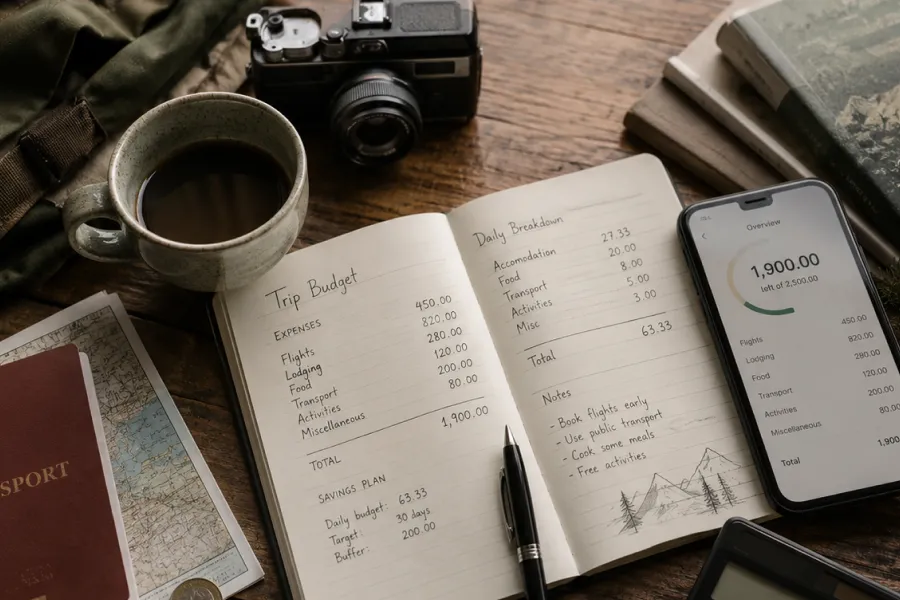
Friendly Travel Dining Tips help you enjoy better meals without feeling pushy, lost, or awkward. Food travel should feel welcoming, not like a test you must pass. A few simple habits can make local dining easier from the first day of a trip.
You can ask better questions, notice warmer places, and choose meals with more confidence. The point is not to chase perfection. Better dining often comes from curiosity, timing, and respect. The product How to Ask Locals for Food Recommendations helps travelers build that skill.
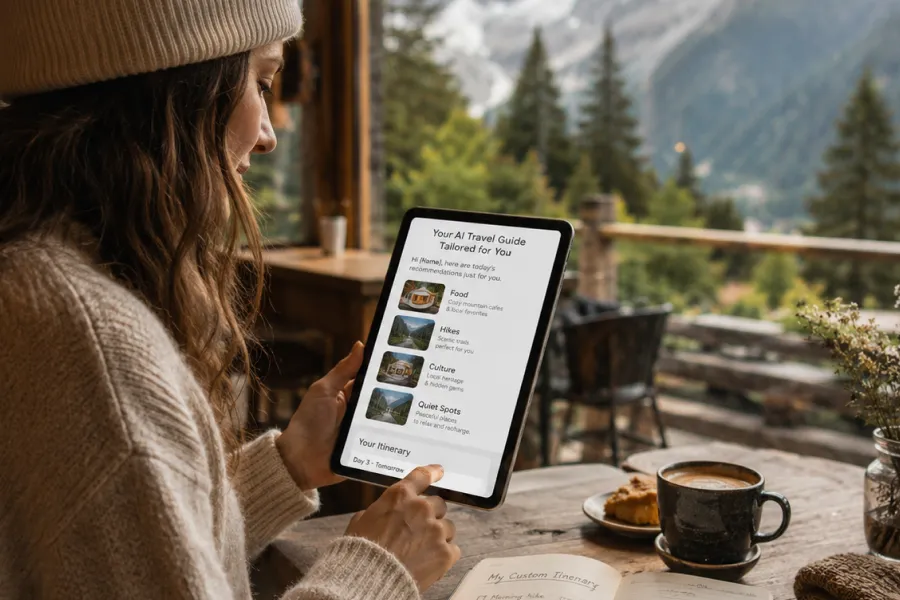
Dining can shape the emotional tone of a travel day. A rushed, disappointing meal can make a city feel harder than it is. A warm restaurant, helpful vendor, or generous recommendation can change your mood quickly.
Friendly habits also help you connect with people in ordinary moments. Instead of treating food as a problem to solve, you treat it as part of the experience. This mindset improves local dining questions. It also makes every meal feel more human.
Soft, specific questions usually work best. Say that you are looking for something local, relaxed, or good for a first visit. If budget matters, mention it briefly without apologizing. Avoid asking for the absolute best restaurant because that phrase creates unnecessary pressure.
Instead, ask where they would go tonight or what dish they would recommend to a friend. These friendly restaurant questions feel conversational. They also make it easier for locals to share honest advice.
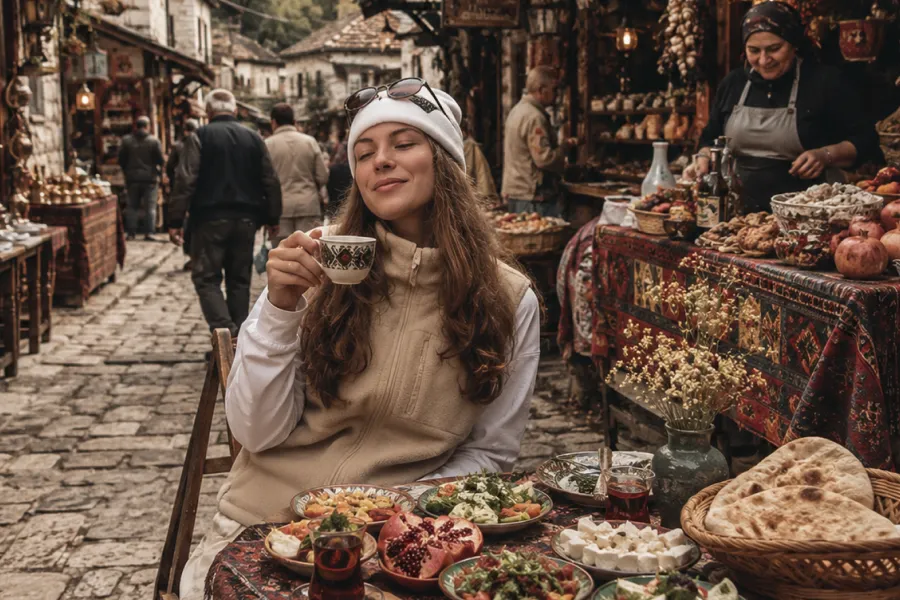
Before entering a restaurant, pause for a moment. Notice the energy, the customers, the menu, and the staff’s pace. A dining room should not feel perfect, but it should feel manageable for your mood.
Comfortable guests, clear prices, and focused dishes are all encouraging signs. A little observation can support better neighborhood restaurant tips in real time. You are not judging harshly. Rather, you are choosing with awareness.
A welcoming place does not need dramatic décor or famous reviews. It needs clarity, warmth, and food that fits the moment. Staff should answer simple questions without making you feel uncomfortable. Guests should seem relaxed rather than confused or pressured.
Menus should make basic sense, even when the cuisine is unfamiliar. These clues build street food confidence. They also reduce decision fatigue when you are tired, hungry, or adjusting to a new place.
Every travel day creates different dining needs. A rainy evening may call for soup, a casual bistro, or a quiet table near your hotel. A sunny afternoon might suit a market, food stall, or small bakery with outdoor seating.
Late arrivals often require dependable choices rather than ambitious adventures. Light destination meal planning helps you match meals to the day. The product How to Ask Locals for Food Recommendations gives you flexible prompts for these situations.

Great meals stay with you because they hold more than flavor. They carry the sound of a street, the kindness of a server, the surprise of a dish, and the feeling of being present somewhere new.
Respectful cultural dining etiquette makes those moments easier to enjoy. It also helps you avoid treating local food like a checklist. Better travel dining comes from openness, not control. A good meal can become the memory that defines a day.
Friendly dining also helps when you feel uncertain. New menus, unfamiliar customs, and different meal times can make even confident travelers hesitate. Instead of retreating to the easiest option, ask one simple question and listen closely.
That small action can lead to authentic food finds without making the process feel intimidating. Confidence grows each time you approach the moment with patience and warmth.
Food becomes more meaningful when you treat it as a connection point. A short exchange with a vendor can teach you what to order. A hotel host may suggest a family-run restaurant nearby.
A cashier might mention a bakery locals love before work. These tiny conversations support local cuisine discovery. For travelers who want a friendly method, How to Ask Locals for Food Recommendations turns that method into an easy travel habit.


Leave a comment